

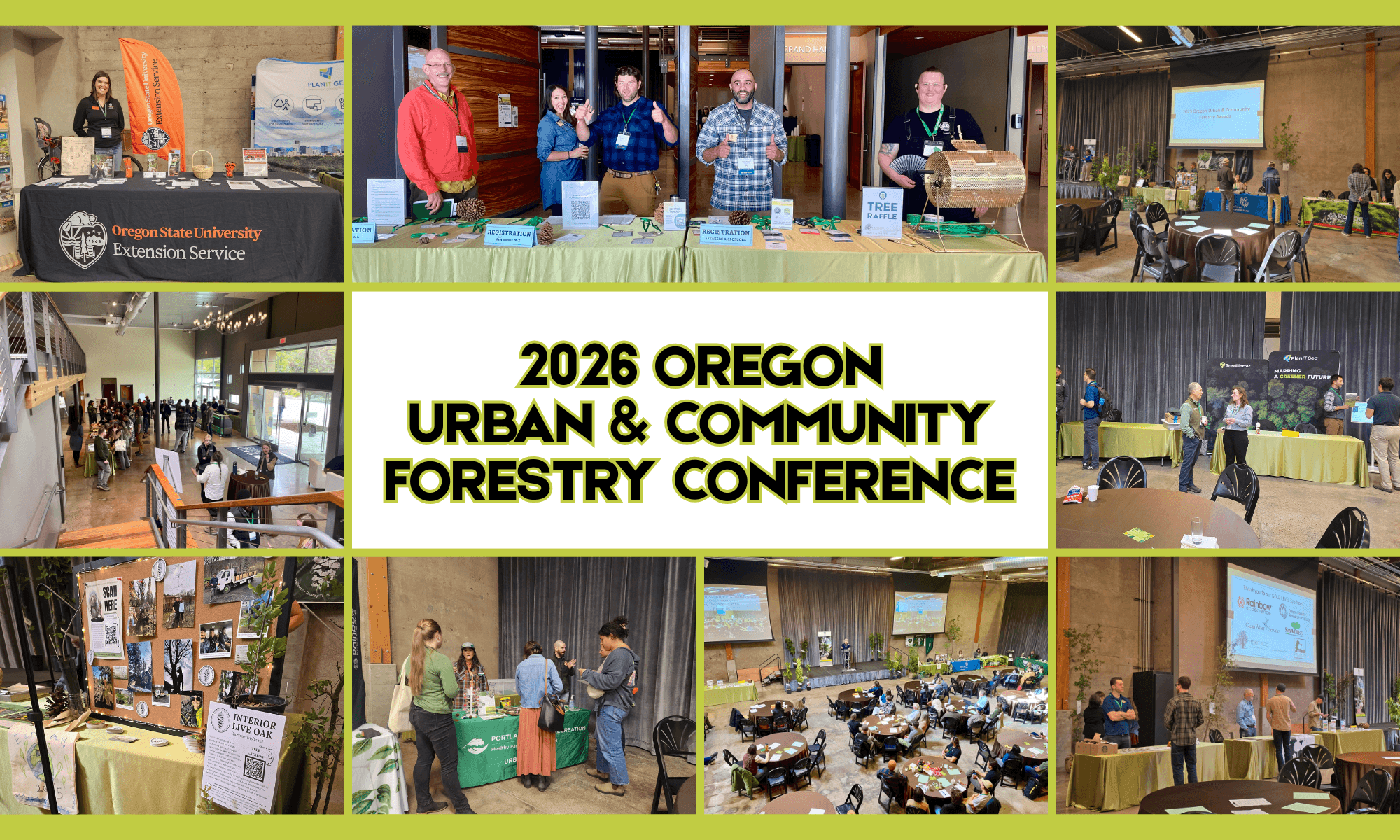
2026 Oregon Urban & Community Forestry Conference
We Thrive When Trees Thrive
Thursday, June 4th, 2026
Program 9am - 3:45pm
Social Networking Hour 4:00 - 5:00pm
Venue 252, Eugene, Oregon

The Oregon Urban & Community Forestry Conference will return to Eugene this year! The conference will be held June 4th, 2026 at Venue 252 in downtown Eugene. It is hosted by the nonprofit board Oregon Community Trees and supported by Oregon Department of Forestry.
This year's theme is We Thrive When Trees Thrive. This year’s conference will explore the intersection of urban and community forestry and human health.
Returning to the 2026 conference, poster presentations will be provided by students and professionals in the field showcasing their research and case studies surrounding trees and health.
Early bird tickets are on sale now, so don’t wait to reserve your spot this year! Tickets include conference entry, lunch, and networking social hour.
5.5 ISA CEUs available for attendees. Sign in with your ISA credentials at the registration table following the conclusion of the last speaking presentation (~3:45pm).
Thank you to the 2026 sponsors!
Sponsor the 2026 Conference
Review and complete the Sponsor Form. Email the completed form and any questions to our team at conference@oregoncommunitytrees.org.
2026 Conference Speakers
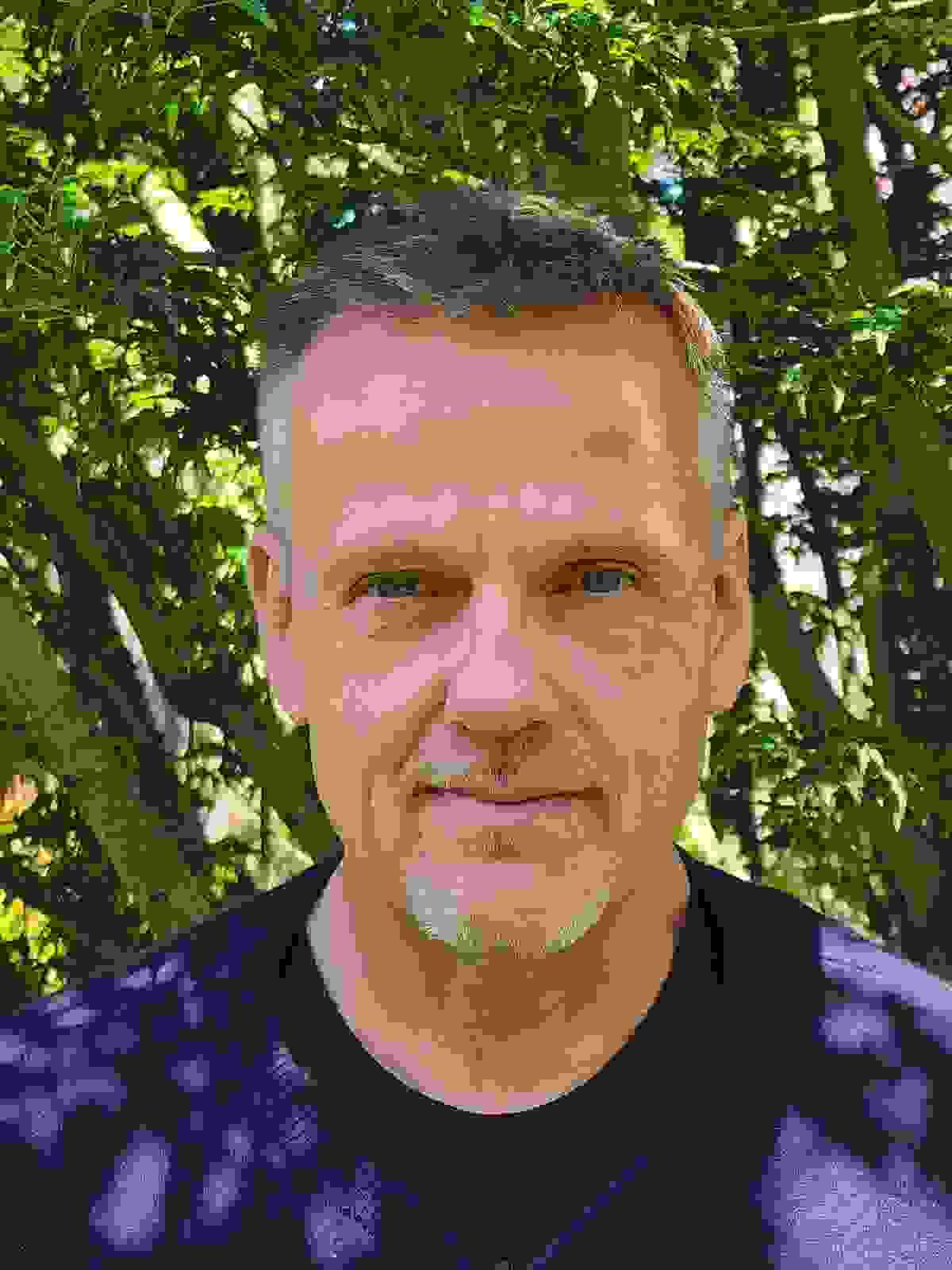
Keynote: Geoffrey Donovan, Ash & Elm Consulting
Dr. Donovan’s health work has been groundbreaking. He was the first to show that pregnant women with more trees around their homes are less likely to have underweight babies, and he was also the first to show that exposure to diverse trees and plants may protect children against immune diseases such as asthma and childhood leukemia.
His work using tree moss to map air pollution discovered previously unknown industrial sources of atmospheric heavy-metal pollution that posed an immediate threat to public health. His findings led the state of Oregon to revamp the way it manages air pollution.
In 2013, he used the spread of the invasive emerald ash borer (EAB) as a natural experiment to study the relationship between trees and human health, and discovered that after EAB spread to a county, human mortality rates increased. This research was a prime motivator for state leaders in Minnesota, who formed the Minnesota Community Forestry Partnership and lobbied for a bill in the state legislature that successfully appropriated $13 million in both 2017 and 2018.
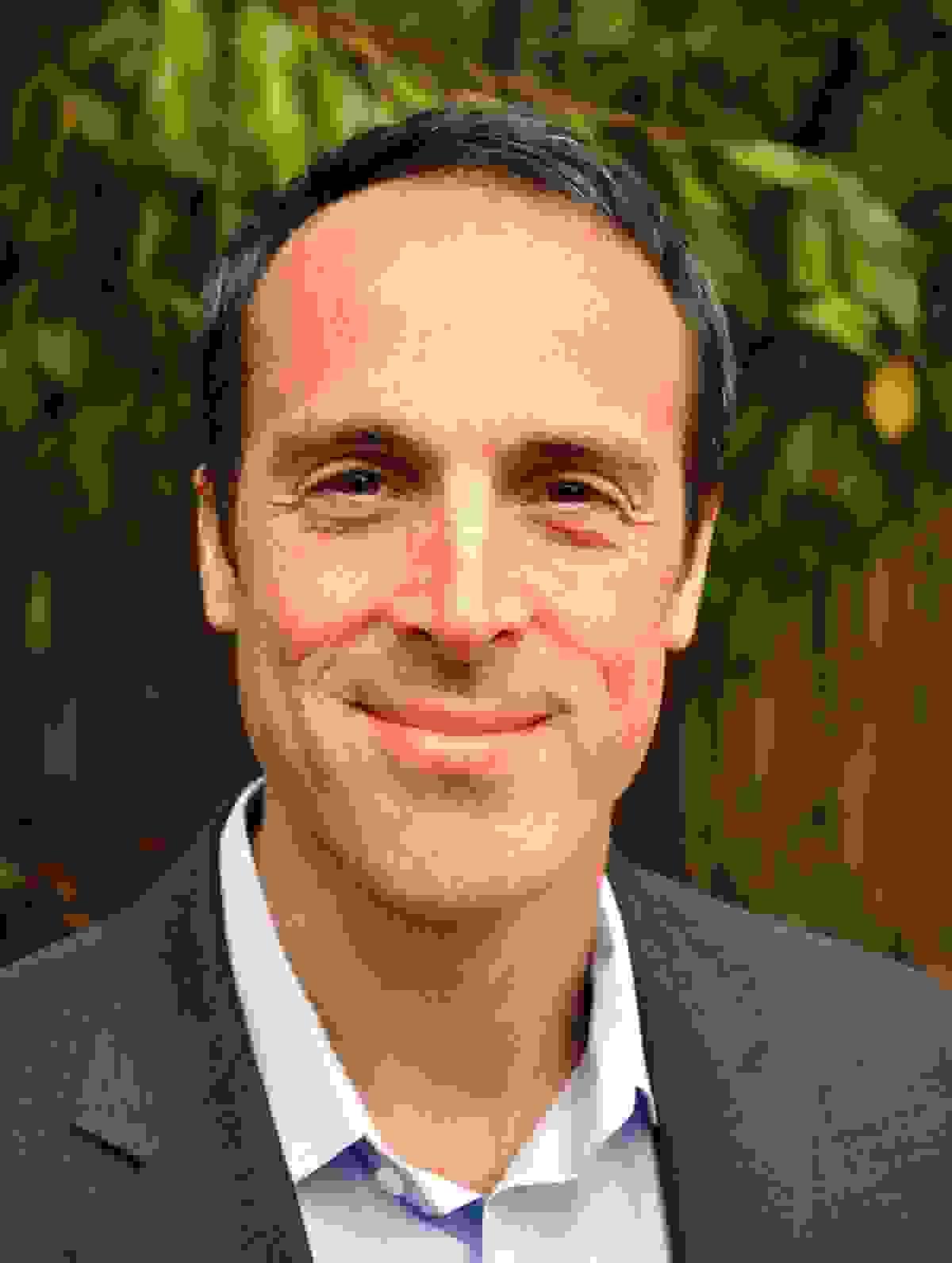
Jared Hanley, NatureQuant
CEO and Co-Founder of NatureQuant - Technology Leader - Data Scientist - Published Author and Researcher
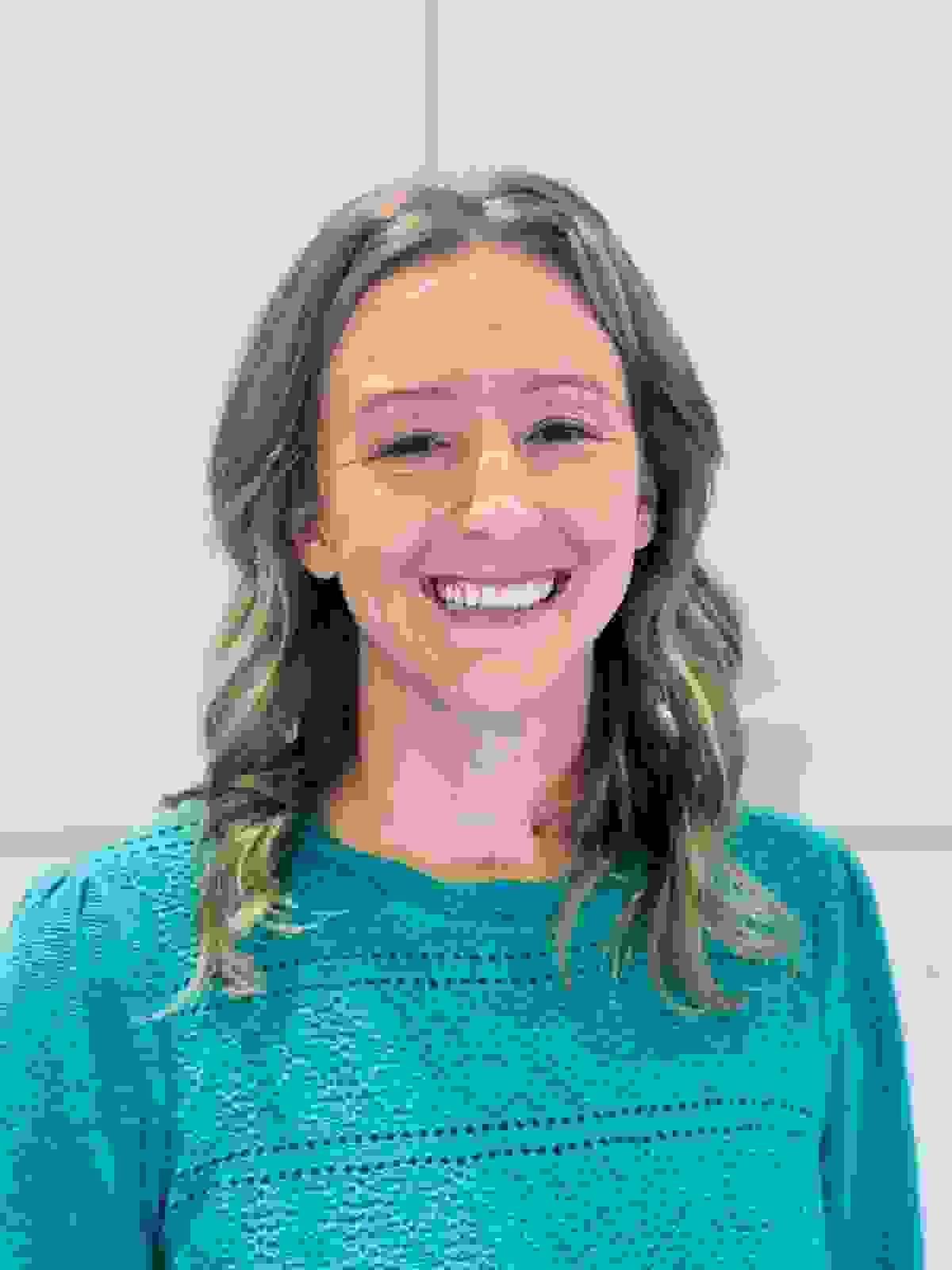
Leah Fisher, Clackamas County Public Health
Leah Fisher is the Built and Natural Environment Analyst at Clackamas County Public Health Division, which is a position shared between Transportation and Development and Public Health. Leah brings to her role over 15 years of experience in public health, urban planning, and civic engagement with a focus on creating lasting change in communities through data driven and community supported policy, systems, and environmental interventions and is uniquely positioned to integrate health into work across the County. Leah received her undergraduate degree in City and Regional Planning from Cal Poly, San Luis Obispo and Master of Public Health at Portland State University.

Jairaj Singh, Multnomah County Health Department
Jairaj Singh works at Multnomah County Health Department as a Climate and Health Program Specialist Senior. He assisted in coordinating the Portland Metro Tri-County heat-mapping campaign in 2023 that informed the Multnomah County Heat Vulnerability Index. He supports project management, strategic planning efforts, facilitating partnerships and workshops at the intersection of climate and health justice, especially focusing on extreme heat interventions.
Gwynne Mhuireach, University of Oregon
Dr. Gwynne Mhuireach has a multi-disciplinary background, with a Bachelor of Science degree in Biology, a Masters in Architecture, and a PhD in Landscape Architecture. With this unique perspective, Gwynne studies relationships between nature contact, environmental microbial communities, and human well-being. Her broader goal is to design healthier and more equitable cities, neighborhoods, and homes.

Jennifer Killian, Oregon State University
Jennifer Killian is an Assistant Professor of Practice at Oregon State University, where she teaches in the Urban Forestry Graduate Certificate program and supports statewide Extension focused on urban, rural, and community forestry.
Her background includes roles with Friends of Trees, the Oregon Department of Forestry, and most notably, as the Urban Forester for the City of Corvallis, an experience that solidified her belief in the power of trees to strengthen communities. Jennifer is an ISA Certified Arborist, a Qualified Tree Risk Assessor, and an active member of the PNW-ISA.
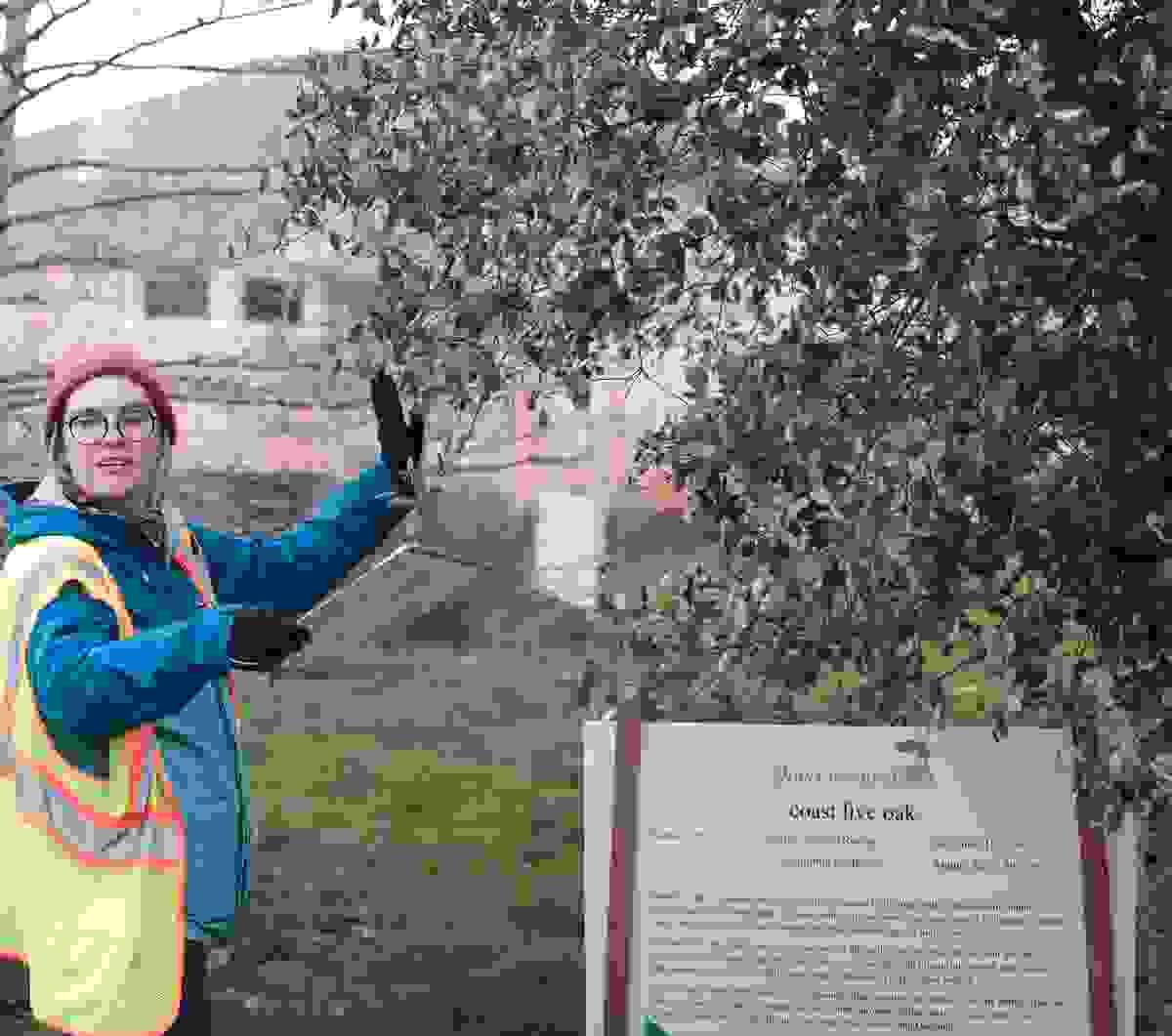
Kat Bethea, Oregon Department of Forestry
Kat Bethea (they/them) is a certified arborist and an Emerald Ash Borer Specialist with ODF. They work in the Urban and Community Forest Program, assisting municipalities, communities, and local organizations prepare for the arrival of EAB. Kat also co-leads the statewide inventory program, and is also a part of the team developing the Oregon Regional Resilient Tree List
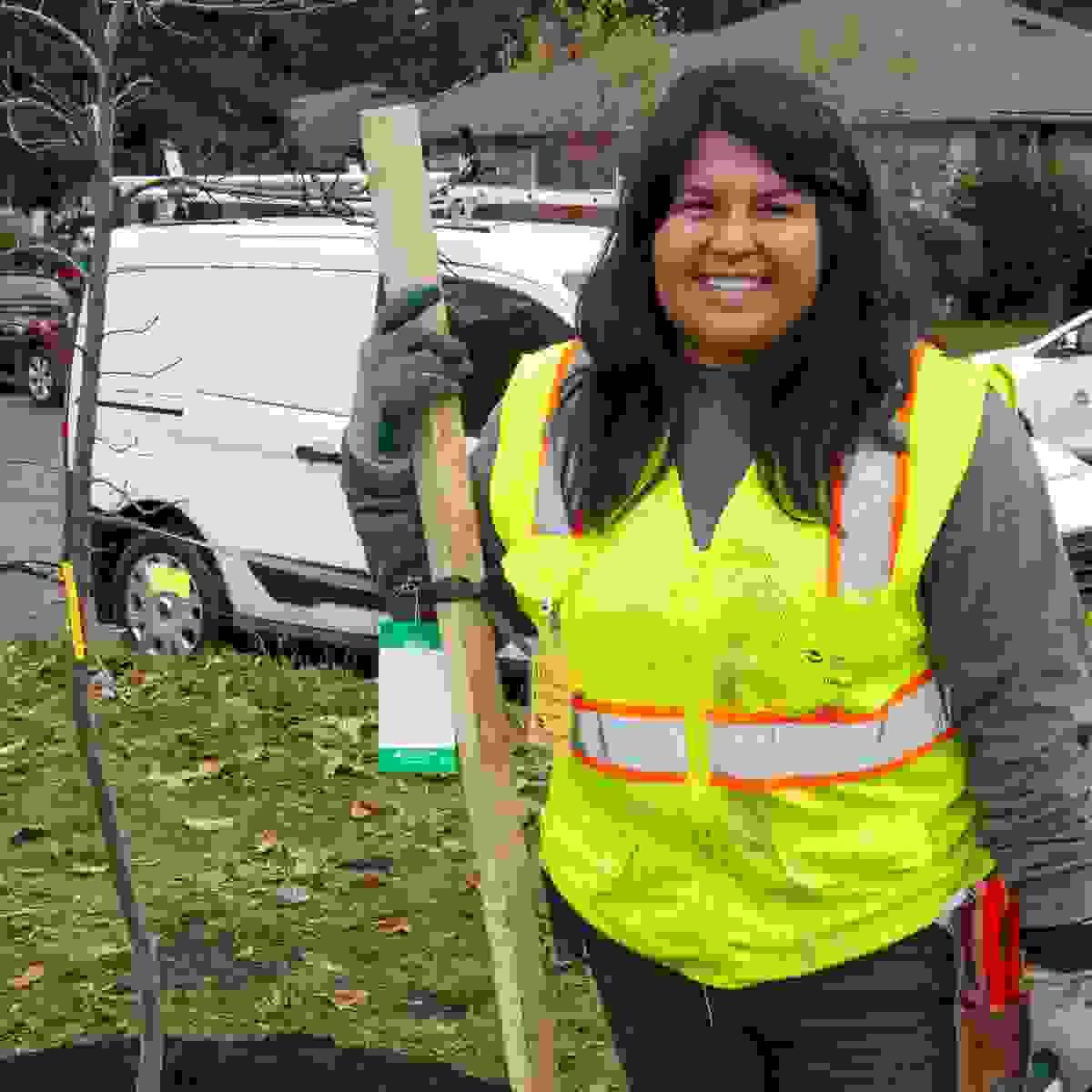
Mari Aviles, City of Portland
Mari Aviles (she/her) is a certified arborist and works as Tree Procurement Coordinator at Portland Urban Forestry. With over eight years of urban tree planting and establishment experience, she works alongside planting program managers to select, procure, plant, and establish trees across Portland. She is currently developing grow contracts to partner with local PNW growers and advocate for more diverse species selection and improved root quality.

Alby Thoumsin, Sperry Tree Care
With the ultimate common desire of creating well-designed urban forests, the need to unite the forces of landscape architects, contractors, maintenance crews and arborists becomes all the more important. There is an opportunity for us to work more closley together and learn from each other. This presentation shows how we can fix common mistakes and explore better ways to create a successful and vibrant urban forest.

Sarah Gaskin, A Plus Tree Care LLC
I have a B.S. in Environmental Science from UC Berkeley, am a RCA, and ISA Cert. Arborist, and have worked at A Plus Tree for the past 15 years, where I’ve helped guide the company’s growth while (among many other things throughout the years), developed and lead the Plant Health Care department and lead innovation-focused projects. Specifically, we partnered with a non-profit to secure a CALFIRE grant that funded a four-year urban biochar and pyrolysis effort that required navigating complex permitting, regulatory, and operational challenges in California, including securing a landmark U.S. EPA exemption, which is the focus of this presentation.
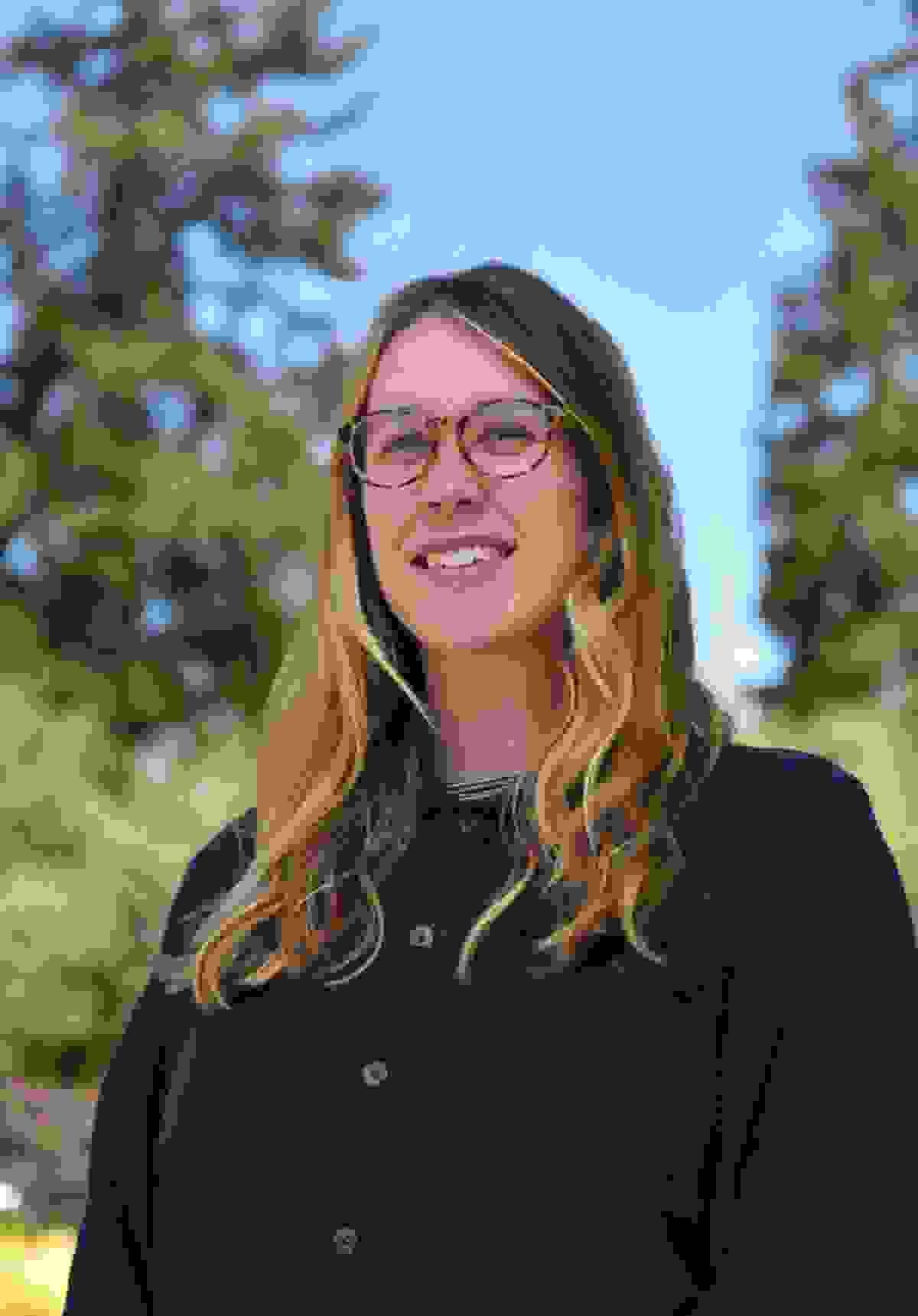
Drue Epping, American Forests
Drue Epping is the Director of PNW & West Coast Urban Forestry at American Forests and an ISA Board-Certified Master Arborist. In her role, she supports urban forestry advances across the region by connecting partners with tools and strategies to grow healthy, resilient, and inclusive urban forests, with a focus on coalition building and local policy. She also serves on the PNW-ISA board, teaches Arboriculture at South Seattle College, and chairs Seattle’s Urban Forestry Commission.


